Now Reading: Why Anatolian Cuisine Deserves A Seat At Your Table
-
01
Why Anatolian Cuisine Deserves A Seat At Your Table

Guest chefs Murat Arslantaş and Yunus Emre Şengüler bring the soulful flavours of Türkiye to Shangri-La KL
When people think of Turkish food, the mind usually races to sizzling kebabs, towering skewers, and the occasional piece of syrup-soaked baklava. They’re delicious, of course, but they’re only scratching the surface.
To understand Turkish cuisine properly, you have to travel east, into Anatolia. Stretching across the country’s vast heartland, the region has spent thousands of years absorbing influences from Europe, Central Asia, the Mediterranean, and the Middle East. The result isn’t one singular cuisine, but countless regional traditions shaped by geography, migration, and history.
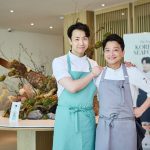
From now until 14 August, diners in KL can experience a slice of that culinary heritage as Shangri-La KL welcomes guest chefs Murat Arslantaş and Yunus Emre Şengüler from Shangri-La Bosphorus, Istanbul for an Anatolian showcase at Lemon Garden.

But don’t expect a parade of kebabs. “The biggest misconception is that Anatolian cuisine is only about grilled meat,” says Chef Murat. “While kebabs are an important part of our culinary heritage, they represent only one aspect of an incredibly diverse cuisine.”
Instead, Anatolian cooking revolves around ingredients that many cultures have relied on for centuries: grains, legumes, vegetables, herbs, olive oil, fermented dairy, and freshly baked breads. Meat certainly has its place, but it rarely steals the entire show.
The cuisine is also a reflection of Anatolia itself, a land that has welcomed civilisations from the Hittites, Greeks, Seljuks, and Ottomans. Each left something behind. The Hittites cultivated grains and legumes that remain staples today. The Greeks expanded the use of olive oil and herbs. The Seljuks introduced dairy products and wheat-based dishes, while the Ottomans elevated cooking techniques and refined spice combinations into an intricate culinary tradition.

Every meal tells a story that’s centuries in the making. Yet perhaps what makes Anatolian food so enduring isn’t its history. It’s its philosophy. “Simplicity is not a limitation,” Chef Murat explains. “It is the philosophy of Anatolian cuisine.”
Take for example, a bowl of lentil soup, warm village bread fresh from the oven, homemade yoghurt, and a lovingly prepared vegetable dish. None of these rely on expensive ingredients, but all demand patience, craftsmanship, and respect for produce. In many ways, that’s where the real luxury lies.
That same philosophy is reflected throughout the showcase menu. Meals begin the way they often do in Turkish homes: with a colourful spread of mezze. Smooth hummus, smoky mutabbal, and bright, punchy ezme arrive together, encouraging everyone at the table to reach across, tear off pieces of warm bread, and help themselves. There are no strict rules or designated portions. Sharing isn’t just encouraged but expected.
From there, the charcoal grill takes centre stage. The Adana Kebab delivers smoky spice with hand-minced lamb grilled over charcoal, while Chicken Şiş offers a lighter alternative, its gentle marinade allowing the meat’s natural sweetness to shine through. Lamb chops keep things refreshingly straightforward, relying on careful seasoning instead of heavy marinades. Then there’s the Hatay Tray Kebab, a comforting southern Turkish classic where minced meat and vegetables are baked together until everything melts into layers of rich, savoury goodness.

The supporting cast is equally compelling. Ottoman-style spiced rice studded with pine nuts and currants balances savoury flavours with subtle sweetness, while freshly baked lavaş and traditional pide arrive warm from the oven, ready to scoop, wrap, and mop up every last bite.
Even dessert feels less like an ending and more like another chapter. Künefe pairs crisp pastry with molten cheese beneath a scattering of pistachios, while baked milk helva offers gentle caramel notes and silky richness. Almond keşkül, a delicate almond milk pudding, provides a lighter finish.
Despite presenting these dishes in an international luxury hotel, Chef Murat is careful not to lose sight of their origins.
“Innovation should never erase tradition,” he says. “You can refine the presentation or introduce contemporary techniques, but the core ingredients, flavours, and cultural story should always remain.”

Perhaps that’s why Anatolian cuisine continues to resonate after thousands of years. Recipes evolve, techniques improve, and presentations become more polished, but one thing remains unchanged: hospitality.
“For centuries, food has been a way of bringing people together,” Chef Murat says. “Whether the table is simple or lavish, what matters most is offering food with sincerity and generosity.”
And maybe that’s the real takeaway from this showcase. It’s not simply about discovering another regional cuisine or ticking Turkish food off a travel bucket list. It’s about slowing down, passing the bread, sharing another plate, and lingering a little longer around the table, because in Anatolia, the meal has never been just about what’s on the plate.
Opening images are courtesy of Shangri-La KL