Now Reading: Cooking With Bunga Mangkuk, The Forgotten Flower Of Malaysian Kitchens
-
01
Cooking With Bunga Mangkuk, The Forgotten Flower Of Malaysian Kitchens


Once a familiar bloom in village kitchens, bunga mangkuk now lingers at the edge of Malaysian cooking. Its pale petals and gentle flavour tell a quiet story of memory, heritage, and the beauty of what we almost forgot to taste.
There are ingredients that quietly hold a place in our collective memory, even if they rarely appear on the plate today. Bunga mangkuk, known to botanists as Sesbania grandiflora, is one such bloom. The flower’s pale petals once fluttered in home gardens across the country, plucked and tossed into simple village dishes. Today, it sits on the edges of our culinary consciousness, a forgotten flourish in the story of Malaysian cooking.
Bunga mangkuk grows easily in warm, tropical air. Its tree is tall but unassuming, its branches tipped with clusters of white or red blossoms shaped like small bowls. The name “bunga mangkuk” translates literally to “bowl flower,” and anyone who has held one in their palm would understand why. It has a soft, curved form, almost too delicate to eat, yet perfectly suited for the gentle stews and broths of the kampung kitchen.
In traditional Malay households, the flower was known less for its looks and more for its quiet versatility. It found its way into masak lemak, where its tender petals absorbed the golden richness of coconut milk. It was blanched lightly and served with sambal, or added to a light soup with ikan bilis and onions. Its taste is faintly bitter at first, but that bitterness yields quickly to a mild, green sweetness that recalls spinach and pea shoots. To those who grew up with it, bunga mangkuk tastes like home in its simplest form.

Ask around in the older parts of Kedah or Terengganu and you might still find elders who remember it being gathered fresh before lunch. Some say their mothers would make sure to boil it just enough to soften the bite without washing away its colour. Others recall eating it with sambal belacan so fiery it made your eyes water. Today, those memories are fading as fewer people grow the tree or recognise the flower.
Part of that disappearance lies in how food habits have shifted. The younger generation prefers faster, more familiar vegetables. Even in traditional markets, bunga mangkuk is rarely sold, partly because it wilts too easily to survive transport. What was once a backyard staple has become a rarity, tucked away in pockets of rural Malaysia or the private gardens of those who still value its place in the kitchen.
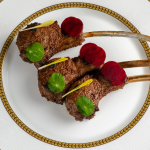
Yet there is something quietly poetic about its persistence. Every few years, a chef or culinary researcher rediscovers it, marvelling at how this humble flower once formed part of everyday meals. In some modern restaurants, you might now see bunga mangkuk appear as a garnish, its curved petals cradling a mousse or dressing. A few experimental cooks use it in herbal teas or tempura-style appetisers, bringing it to a new audience while keeping its natural charm intact.
Beyond its culinary use, bunga mangkuk also holds a gentle medicinal reputation. Traditional healers have long believed the leaves and flowers soothe fevers and ease coughs. Its bitter edge, they say, purifies the body. While science has yet to fully explore these claims, the flower remains part of local herbal wisdom, often mentioned alongside familiar remedies like pegaga and daun sirih.

Cooking with bunga mangkuk, however, is an exercise in restraint. Its flavour is subtle, and it does not compete well with heavy spices or strong seasoning. The best way to appreciate it is to let it shine within simple preparations. A coconut broth seasoned with turmeric and lemongrass. A clear soup with garlic, anchovies, and a squeeze of lime. A small plate of blanched petals served alongside rice and sambal. Each version reveals a slightly different side of the flower, yet all share a quiet, unshowy beauty.
There is also something nostalgic about seeing it bloom. In a world where imported produce fills supermarket aisles, bunga mangkuk reminds us of a time when food was local by nature. You grew what you ate, and flowers were not only meant for decoration but for nourishment. The flower invites us to look closer at what our land can offer, and to taste the forgotten simplicity of what once was.
For those lucky enough to find it, preparing bunga mangkuk is a small act of preservation. It keeps a fragment of Malaysian culinary heritage alive. It tells a story about the intimacy between people and their gardens, between food and memory. Every petal cooked, every bite taken, is a gesture of continuity.
Perhaps that is the quiet magic of bunga mangkuk. It asks nothing more than to be noticed again. It does not demand the glamour of rare spices or imported ingredients. It only needs a small space to grow and someone willing to remember its place at the table.
In the end, this unassuming flower represents more than an ingredient. It stands as a reminder that food history is not only written in grand dishes or celebrated recipes, but also in the humble things we once took for granted. Somewhere in a backyard, a tree still blooms with the soft white of bunga mangkuk, waiting for someone to pluck a few petals, simmer them in coconut milk, and taste again what was almost forgotten.