Now Reading: The Beauty Of Bunga Telang In Malaysian Cooking
-
01
The Beauty Of Bunga Telang In Malaysian Cooking

Meet the ingredient redefining natural beauty in Malaysian cooking. With its dreamy blue hue and subtle earthiness, bunga telang is more than just colour—it’s culture, craft, and creativity in full bloom.
It’s impossible to miss that electric, sapphire hue that seems to glow even under soft light. The Bunga Telang, or butterfly pea flower, is one of Malaysia’s most quietly iconic ingredients, a bloom that looks delicate but colours the culinary landscape with remarkable confidence. From plates of nasi kerabu tinted a royal blue to vivid drinks that shimmer like twilight, this little flower has turned tradition into an art form and lately, a global fascination.
The butterfly pea (Clitoria ternatea), native to tropical Asia, is one of those ingredients that hides in plain sight. It creeps along garden fences, climbs wooden poles, and peeks out from village hedges, the kind of plant your grandmother might once have picked without ceremony, its petals tossed into a pot of boiling water. Yet what it yields is nothing short of alchemy: an indigo brew that turns violet with a squeeze of lime, proof that nature is the most poetic chemist of all.
From the kampung to the café

In Malaysian kitchens, Bunga Telang isn’t a novelty but nostalgia. It’s the kind of flower that links memories of rural mornings with the sophistication of today’s café culture. Traditionally, its colour was prized more than its flavour. The petals would be steeped to make a natural dye for rice, kuih, and desserts, infusing them with an ethereal blue that makes the ordinary instantly extraordinary.
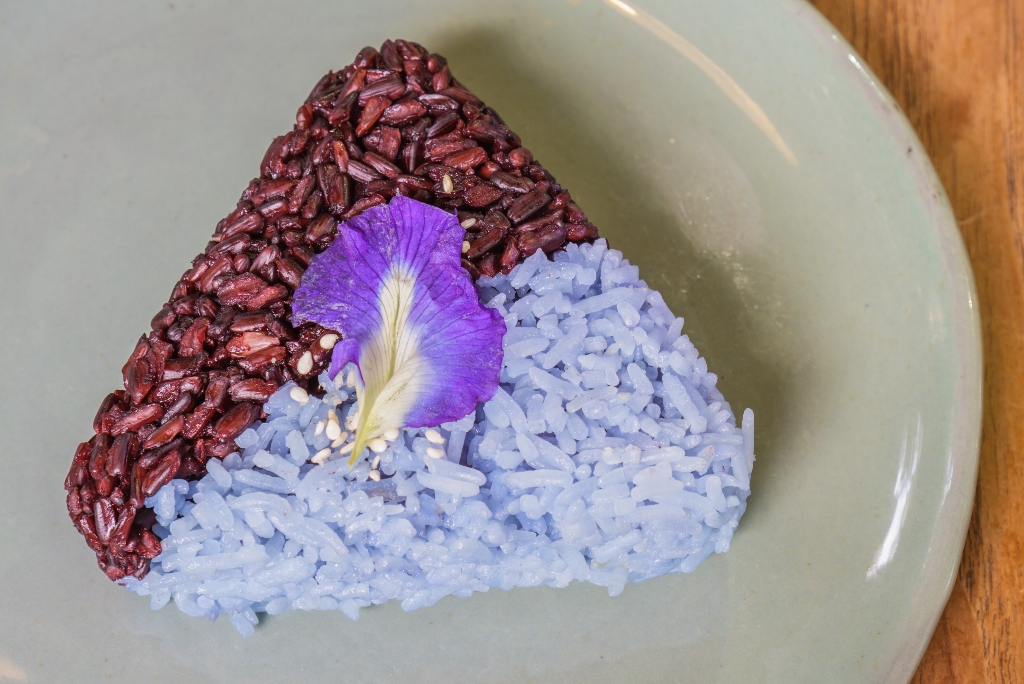
Perhaps the most recognisable use is in nasi kerabu, the Kelantanese rice dish where blue rice forms the heart of a vibrant ensemble where fresh herbs, toasted coconut, grilled fish, and spicy sambal. The flower gives the dish its signature hue, but also a certain sense of serenity; a visual calm against the chaos of flavours. Elsewhere, Bunga Telang finds its way into pulut tai tai, a glutinous rice cake topped with kaya, or pulut inti, crowned with grated coconut. It’s edible art disguised as comfort food.
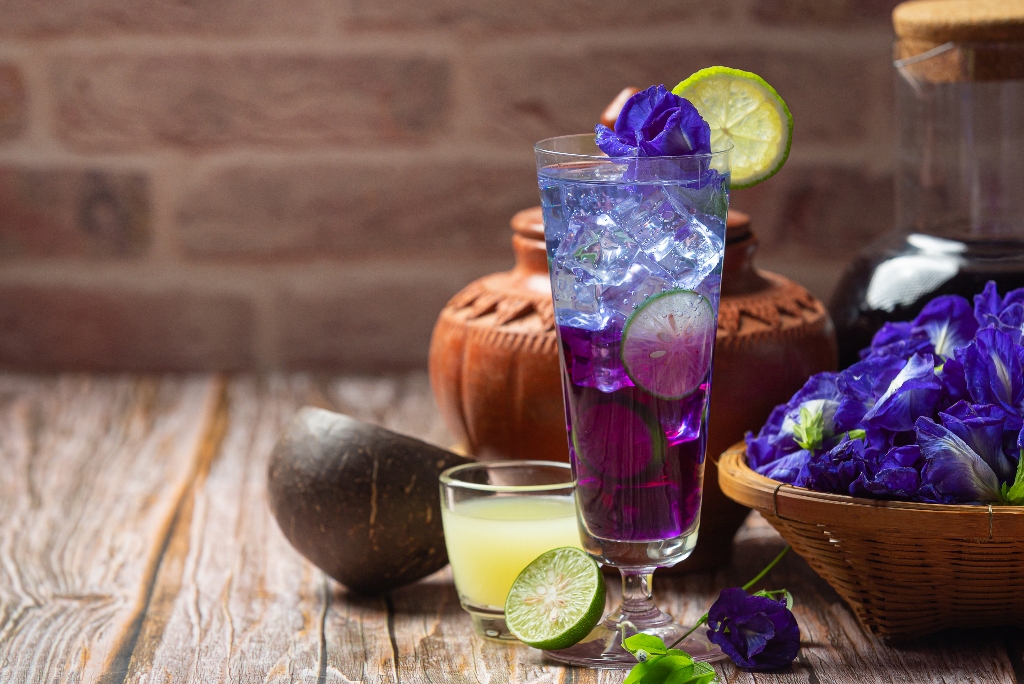
But what was once the province of tradition has bloomed into trend. Today, you’ll find butterfly pea making appearances in everything from artisanal cocktails to high-end pastries. Mixologists adore it for its pH sensitivity—add acid, and it transforms colour like a magic trick in a glass. A simple syrup steeped with Bunga Telang can turn a gin sour into a mood ring, fading from ocean blue to lilac before your eyes. Pastry chefs, meanwhile, have discovered its gentle tint lends cakes and creams a natural, Instagram-friendly charm.
A beauty with benefits
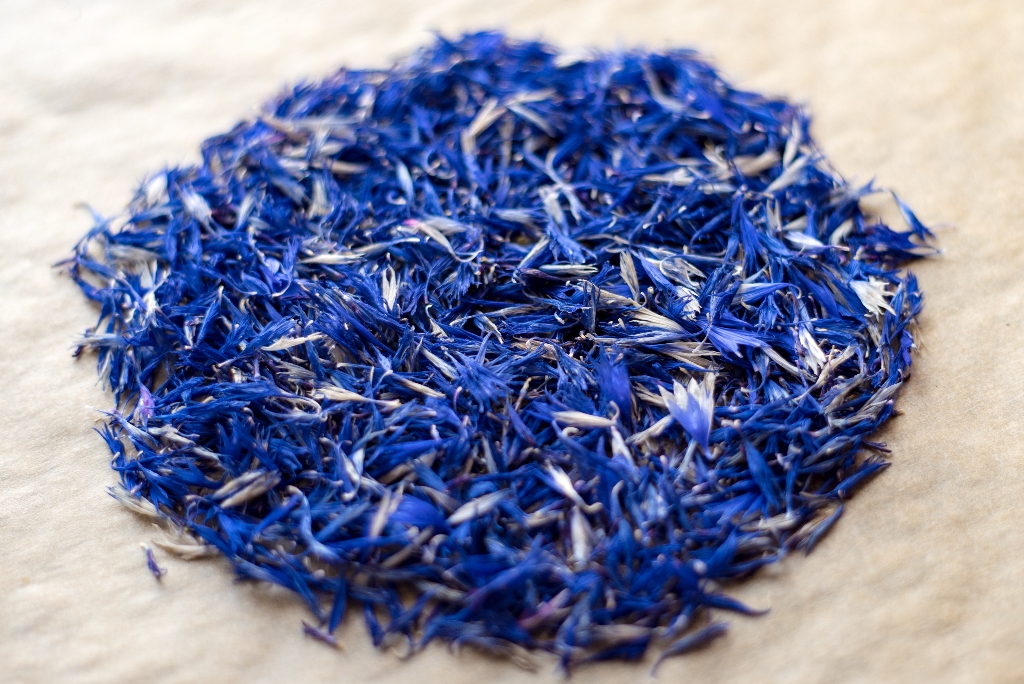
Beyond the colour, there’s a quiet science to Bunga Telang’s appeal. Rich in anthocyanins, the same antioxidant compounds that give blueberries their hue, the flower has been used in traditional medicine across Asia for centuries. Herbalists swear by its calming properties when brewed as a tea, it’s said to reduce stress, improve memory, and promote a sense of balance. Whether or not you buy into the medicinal lore, there’s something undeniably soothing about watching its petals unfurl in hot water, releasing that deep, inky blue like a slow exhale.
Its subtle, earthy flavour, a little like green tea with a whisper of grassiness, makes it a versatile partner in both food and drink. In Thailand, it’s served chilled with honey and lime as nam dok anchan, a refreshing antidote to heat and humidity. In Malaysia, you might find it paired with lemongrass, pandan, or calamansi, balancing its earthiness with brightness and fragrance. Even in haute cuisine, it has found a second act: used in rice dishes at fine-dining tables, or even as an edible garnish floating on a flute of champagne.
More than just a colour
For all its visual drama, Bunga Telang is not just about aesthetics. It’s a flower rooted deeply in culture and memory. In Malay households, planting Bunga Telang is as much about symbolism as sustenance. Its resilience—thriving in sun and rain, blooming faithfully—has long made it a quiet metaphor for persistence and grace. Where once it was a backyard bloom, today it represents a revival of heritage cooking, a return to the authentic and the naturally beautiful.
As the world increasingly turns to clean eating and sustainable ingredients, Bunga Telang stands as a perfect emblem of what Malaysian cooking does best: balancing the sensory with the soulful. It reminds us that nature’s palette can be breathtaking without being artificial, that beauty and flavour can coexist with meaning.
The new blue
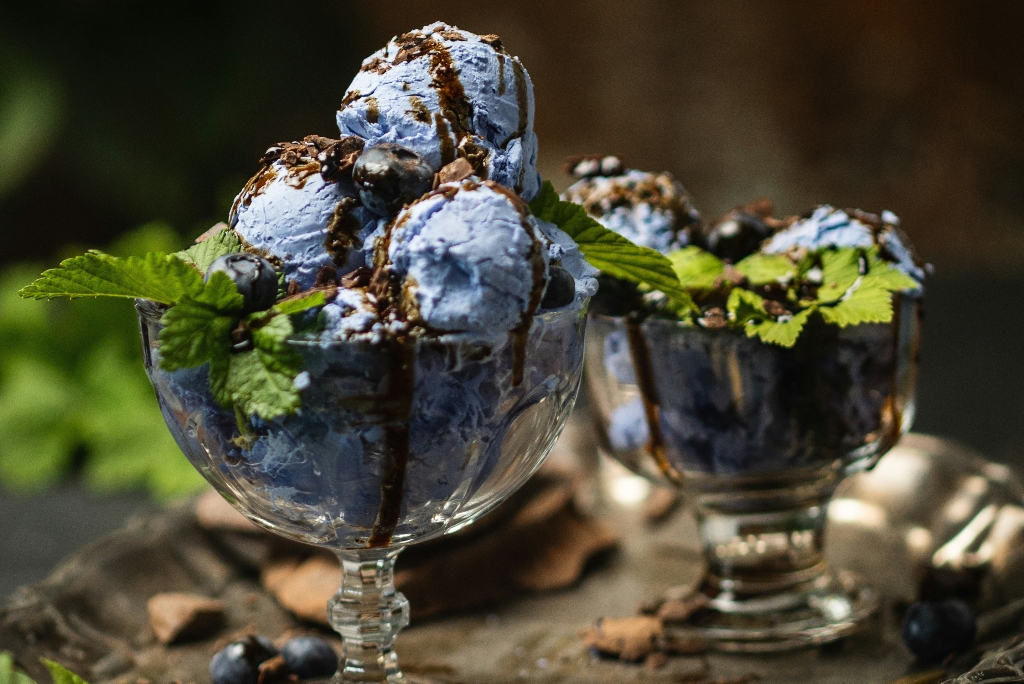
In many ways, Bunga Telang is having a renaissance. Cafés in Kuala Lumpur now serve butterfly pea ice creams, lattes, health brands tout it as a superfood, and even gin distillers have bottled its striking pigment for botanical blends. Yet beneath the trendiness, its heart remains the same—a flower that connects generations, bridging old and new, rural and urban, simple and sophisticated.
It’s easy to be seduced by the colour, and fair enough, who can resist that hue? But the real magic of Bunga Telang lies in its duality. It’s both humble and glamorous, ancient and modern, decorative and deeply functional. It can be a grandmother’s kitchen ingredient or a barista’s secret weapon. It’s the kind of flower that doesn’t just tint your food but tells a story, one that blooms a little brighter each time we remember to look closer.