Now Reading: Exploring The Art Of Cantonese Cuisine With Chef Keith Yeap
-
01
Exploring The Art Of Cantonese Cuisine With Chef Keith Yeap

Cantonese cuisine is healthy and prominent in Chinese food culture, yet it often remains underrated. We sit down with Chef Keith Yeap of Shang Palace, Shangri-La KL, to uncover what makes this quiet artistry worth celebrating.
We may think we know Chinese cuisine well—after all, it has long been part of our daily dining fabric—but Cantonese cooking tells a deeper story. It is a cuisine defined not just by its flavours, but by an artistry of restraint, precision, and an almost poetic balance. Every dish is a study in detail: the crispness of wok-fried vegetables, the clarity of double-boiled soups, the gentle perfume of steamed fish. Yet much of this quiet mastery often slips under the radar, overshadowed by bolder regional styles.
At Shang Palace, Shangri-La’s temple to refined Chinese dining, Executive Chinese Chef Keith Yeap is peeling back the layers of that tradition. With a newly unveiled à la carte menu, he offers both a reverent nod to Cantonese heritage and a playful twist that refreshes it for today’s palate. The result is a collection of dishes that feel both familiar and intriguing—a bridge between memory and surprise, designed to rekindle an appreciation for the art of Cantonese gastronomy.
The roots of Cantonese cuisine

Photo courtesy of Shangri-La Kuala Lumpur
“Cantonese cuisine values subtlety, balance, and depth,” says Chef Yeap. “It is the culinary language I grew up with, and most of the dishes are light but flavourful.” For him, Cantonese cooking is not just about what’s on the plate—it’s about philosophy. Timing and precision are crucial, but so too is storytelling. “To me, it’s not just cooking but a philosophy and a way of telling stories through food.”
The core of the craft

Photo by Jcomp on Freepik
Despite his openness to innovation, Chef Yeap never strays far from tradition. “I stay true to the core methods—double boiling, steaming, slow braising—but I introduce local or global influences to reinterpret them,” he explains. “For example, the Jasmine-Smoked Wagyu Beef Ribs involve four different cooking techniques. It’s familiar, yet surprising.”
This balancing act defines his approach. “Cantonese cuisine is all about restraint. When designing a dish, I consider aroma, texture, temperature, and even the feel of the serving vessel. Every element must be intentional—supporting, not overpowering, one another. It’s an art of quiet harmony.”
Chasing ‘wok hei‘

Photo by Fxquadro on Freepix
Ask any chef and they’ll tell you: mastering ‘wok hei’ is a lifelong pursuit. For Yeap, it is the essence of Cantonese cooking. “Wok hei is the soul of Chinese cooking. It’s the dialogue between fire, the wok, and the ingredients. I practice wok-frying every day to perfect that fleeting moment when fragrance explodes.” Precision is everything. “For example, the Wok-Fried Lamb Chops with Gui Huang Sauce require precise oil temperature and swift execution—just one second off can make a difference.”
The same dedication carries into dishes like the 48-Hour Peking Duck. “To me, it fully embodies the Cantonese spirit. It combines low-temperature cooking, fat rendering, and open-flame roasting—bringing together time, technique, and tradition.”
Memories in a bowl

Photo by Timolina on Freepix
For Yeap, cooking is as much about memory as mastery. He recalls his grandmother’s sticky rice dumplings as one of his earliest inspirations. “I remember choosing rice with her, learning how carefully she selected every ingredient. Today, I carry that same patience and care into every dish that requires slow, thoughtful preparation.”
Soups, too, hold a special place. “I’d say double-boiled soups. They look clear and unassuming, but each drop is packed with hours of careful simmering. The challenge lies not in cooking long, but in getting the timing, ratios, and balance exactly right.”
He reflects on soup with a touch of poetry: “Soup, to me, is like water—quiet on the surface but powerful underneath. Water is the source of life, and soup is the nourishment of the soul. It may appear plain, but its depth reveals itself slowly and meaningfully.”
The heart of a dish

Photo courtesy of Shangri-La Kuala Lumpur
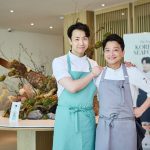
When asked what he hopes diners take away from his creations, Yeap answers without hesitation:
“Honestly, I just want them to feel happy—genuinely happy from the heart. To me, a good dish doesn’t just satisfy the stomach—it feeds the soul. If someone smiles or recalls a childhood memory after eating, that means everything to me.”
He also wants to challenge the common misconception that Cantonese food is “too light or bland.” “In reality, it’s about balance and finesse. It’s a cuisine that respects ingredients and relies on skill—not flashiness—to shine.”
Inspiration beyond borders

Photo courtesy of Shangri-La Kuala Lumpur
Like many chefs, Yeap’s curiosity extends beyond Cantonese traditions. “Yes—far too many! I’m always curious about ingredients and culinary cultures from around the world. But I don’t like to force ‘fusion.’ I prefer letting inspiration come naturally—through travel, encounters, or even a friend’s home-cooked dish.”
For him, creativity is born of spontaneity. “I follow my senses—what I see, taste, and feel. Inspiration often comes from those unplanned, beautiful moments. I believe the most touching creations aren’t calculated—they come to you when something truly moves you. That’s what makes them honest and beautiful.”
A quiet but powerful art

Photo by Picoftasty on Freepix
Chef Keith Yeap’s reflections remind us that Cantonese cuisine is not about spectacle, but subtlety. Its beauty lies in restraint, in patience, and in the quiet pursuit of balance. At Shang Palace, every dish—from the fragrant wok-fried lamb chops to the delicate double-boiled soups—invites diners to pause, taste, and appreciate the understated brilliance of a culinary tradition too often overlooked.
In the end, perhaps that is the heart of Cantonese cooking: a cuisine that whispers rather than shouts, but leaves an impression all the more lasting for it.
Opening Image: Photo by Stockking on Freepik