Now Reading: Inside The Okinawa Diet And The Culture Of Long Life
-
01
Inside The Okinawa Diet And The Culture Of Long Life


The Okinawa Diet isn’t a fad but a way of life shaped by tradition, community, and an instinct for balance. Find out how the food culture of Japan’s southern islands continues to intrigue the world.
On a map, Okinawa is a cluster of subtropical islands drifting between Japan and Taiwan. On the table, it is a place where food tells a story of resourcefulness, restraint, and quiet abundance. The Okinawa Diet, often studied by researchers for its link to long lives, is less about strict rules and more about a philosophy that unfolds in everyday meals.

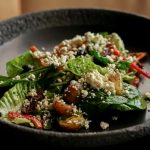
At its heart, the Okinawan way of eating relies on plants. Sweet potatoes, once the staple crop of the islands, appear in everything from savoury stews to simple roasted sides. Bitter melon, or goya, is stir-fried with tofu and egg to create goya champuru, a dish so deeply tied to the region that it has become culinary shorthand for Okinawa itself. Leafy greens, soy products, and seasonal vegetables fill the table before meat or fish make an appearance.
What makes this diet distinctive is not just what’s eaten, but how it is approached. Meals are guided by the practice of hara hachi bu—eating until you’re about 80 per cent full. This simple act of stopping before excess encourages mindfulness, and perhaps, a deeper appreciation for what is on the plate.

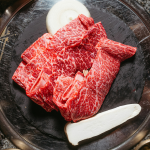
Fish plays a role, but sparingly, often grilled or simmered in broths. Pork, which arrived in Okinawa centuries ago through trade with China, is also part of the diet, though cooked in a way that stretches every cut—skin, bone, and meat—across soups and stews. Nothing is wasted; everything is used with intent.
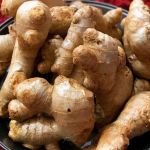
What’s equally striking is what is absent. Dairy, refined sugar, and heavily processed foods have never been central to Okinawan kitchens. Instead, miso, seaweed, turmeric, and mugwort bring depth and nourishment, while green tea provides a daily rhythm of comfort.

It would be too simple, though, to reduce the Okinawa Diet to a checklist of ingredients. Food here is inseparable from community. Shared meals at festivals, conversations over bowls of noodles, and the gentle pace of island life give the diet its shape. It’s not a health trend invented in a laboratory, but a cultural inheritance passed down through centuries of cooking, farming, and sharing.

Researchers often point to Okinawa’s unusually high number of centenarians as evidence of the diet’s benefits. But longevity is only part of the story. The real appeal of the Okinawa Diet lies in its balance—nourishing the body without overloading it, celebrating flavour without extravagance, and drawing people together in the process.

For those curious to try, the lesson is not about importing every dish onto your own table. It’s about adopting the spirit: eat with attention, choose food that is fresh and close to the earth, use what you have fully, and share it with others. You can start with staples like purple sweet potatoes, goya or bitter melon, miso and soy, seaweed, turmeric, mugwort, green tea, and plenty of water.
The Okinawa Diet is not just about living long, but about living well, one mindful bite at a time.