Now Reading: Inside The Curious World Of Porcupine Meat
-
01
Inside The Curious World Of Porcupine Meat


The further modern life pulls people away from the land, the stranger older food traditions begin to sound. Porcupine meat is perhaps one of the clearest examples of that distance.
It’s no surprise that a country like Malaysia, so richly blessed in its biodiversity, would have a relationship with its wildlife that runs complex and deeply intertwined. For most of us reading this, the jungle occupies a space that doesn’t extend far beyond scenery.
It’s something to admire through your car window on the way up to Genting, or perhaps a place to spend a weekend resolving to “disconnect”, before promptly breaking that resolution at the first sniff of a WiFi signal. But for others, especially in older rural communities, the forest occupied a much more practical and significant role than that. It was where herbs came from, where medicine came from, and, occasionally, where dinner came from too.
And because of this, Malaysia has long had a culinary relationship with meats that might strike more urban diners as unusual. Wild boar, venison, civet in some places, monitor lizard historically, and yes, porcupine. It’s not exactly the sort of thing you’ll find proudly advertised on a glowing signboard beside your local kopitiam, but it’s certainly not unheard of either.

The quills of the porcupine can render it a challenge to prepare
Now, in the present day, porcupine meat inhabits a somewhat strange space. You’ll find it more often spoken about than actually encountered. Among certain Orang Asli communities and older generations in rural areas, it once occupied a more familiar role, but modern Malaysia has understandably moved away from a lot of these practices.
Conservation laws have tightened considerably, and hunting wildlife today is heavily regulated, with some species of porcupine protected under Malaysian law. But there are pockets where the old ways still carry on, only now they’ve been displaced further towards the fringes of public consciousness.
On the occasions it is brought into focus, though, the first question that arises on everybody’s lips is: what does it taste like? If you’re expecting something heretofore beyond the realms of your gustatory comprehension, you might end up a little disappointed. And that is because what surprises most people is, in fact, how strangely familiar it actually tastes.
Most descriptions put it somewhere between pork and dark chicken meat, with a slightly gamey edge running through it, though not aggressively so. It’s said to be rich, but not overwhelmingly rich, and depending on the cut and preparation, can swing between firm and meaty to almost gelatinous around the collagen-heavy portions.

Porcupines eat a varied, seasonal diet of plant matter, with a strong preference for the inner bark of trees during winter. Its diet can affect its flavour
Like most wild game, the cooking method matters quite a bit. Grilling it can leave it somewhat tough if you’re not careful, which is why slower preparations tend to be preferred. Curries, pepper-heavy braises, soups, and rendang-style dishes are all common approaches because they allow the meat time to soften, while also mellowing out some of the gamier notes.
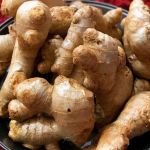
And Malaysians, being as we are, don’t exactly shy away from assertive flavours either. So naturally, you’ll find the usual suspects making their appearance. Serai. Kunyit. Ginger. Black pepper. Maybe some cili padi if someone’s feeling particularly vindictive that day. The meat gets simmered slowly, patiently, until everything starts collapsing into itself in the way that all good stews should.

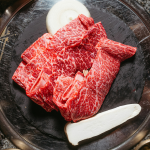
Dried porcupine meat, ready to cook
What’s interesting about porcupine meat, though, isn’t so much the taste itself. Or at least not entirely, anyway. It’s more what its existence says about the relationship between people and the environments they inhabit. You see, what constitutes food has always been shaped by a number of different factors: geography, necessity, access, and inheritance, to name but a few. What one community might see as unusual, another might simply recognise as dinner.
With all the advancements that continue to accelerate in their proliferation, that gap is certainly wider now than it once was, and only looks set to widen further. Modern urban life has an inescapable way of distancing people from the food traditions of yore, particularly the ones tied closely to land and survival, and these days, many younger Malaysians will probably go their entire lives without ever encountering porcupine meat beyond hearing about it in passing conversation or reading about it online somewhere (like here, for instance).
Whether that culinary practice survives or fades away entirely is something that remains to be seen. But either way, it remains part of the at once strange, fascinating, and deeply layered story of how people here once lived with the land around them, and not just beside it.
Opening image: Snow Chang | Pexels