Now Reading: Malaysian Cacao: Behind Malaysia’s Emerging Chocolate Scene
-
01
Malaysian Cacao: Behind Malaysia’s Emerging Chocolate Scene


Malaysian chocolate might not have quite made it onto the world stage yet, but a growing group of farmers and chocolate makers are beginning to show just how much potential our cacao has.
Malaysia won’t be the first country that comes to mind when you think about great chocolate. And chances are it won’t be the second, third, or fourth either. In fact, not many people here, the locals included, will know that we even make chocolate in the first place. And that’s because, while we’ve had a cocoa industry that has been in operation for decades, for much of that time, Malaysian cacao was seen as more of a commodity than something to get particularly excited about.
There are signs, though, that that is beginning to change. In small but growing pockets across the country, there are groups of farmers and chocolate makers working to show the world that there is much more to Malaysian cacao than initially meets the eye.
The country’s cacao story is an interesting one because there isn’t really a single Malaysian cacao profile, so to speak. The Malaysian Cocoa Board maintains a collection of genetic material from around the world alongside local cacao, with different clones selected for their suitability to Malaysia’s growing conditions. As a result, what we have is a range of flavours that harbour deep variation depending on factors like where the cacao is grown, how it’s farmed, as well as how the beans are processed and fermented.
Take the Pahang Highlands, for example, where cacao has been grown at around 450 metres above sea level in mixed agroforestry systems. Beans from this area have been described as having notes of tropical fruit, cashew, and red tea, while other accounts of the same region point to flavours as far-reaching as saké and roasted rice to caramel and lightly roasted cashew. The surrounding environment plays a role too, with cacao grown there being cultivated alongside other crops and trees rather than just existing in isolation.

Then you have Hulu Gali in Pahang, where the cacao is, in an interesting geographical quirk, grown close to a limestone formation. The limestone is said to raise and buffer the soil’s pH, which can result in deeper, earthier chocolate notes. Tasting notes from the origin include dark cherries and toasted almonds, giving the cacao a very different character from the fruitier profiles found elsewhere.
Further down south, cacao from Melaka has a character of its own. In Panchor, for instance, cacao is grown alongside coconut, with the coastal climate there forming an intrinsic part of the beans’ maturation. The area also occupies a place in Malaysia’s cacao history as a whole, with the country’s first cacao tree said to have been planted in Melaka in 1778.
Now, in the present day, producers are once again working with cacao from the land and using it to make some of the most captivatingly expressive single-origin chocolate you will come across.
Batang Kali is home to yet another expression, with older cacao trees on the western slopes of the Malaysian mountain range left abandoned for years before being rehabilitated. The resulting beans have been described as having prominent mineral qualities alongside notes of jaggery and spice. It is a fascinating and serendipitous example of how even older plantings can have something different to offer when given just the right attention.
Of course, none of this happens without the people actually growing the cacao. Across Malaysia, smallholders form an important part of the industry, and some craft chocolate producers have built direct relationships with farmers to improve both the quality of the beans and the returns to the people growing them. In Pahang, there are also projects involving Orang Asli communities such as the Semai, with cacao grown as part of wider agricultural and reforestation efforts.

The idea of agroforestry becomes particularly interesting here, because cacao isn’t a crop that necessarily needs to be grown as a monoculture. Research into cacao production in Peninsular Malaysia has found that agroforestry systems can provide additional crops and income while potentially reducing some pest problems to boot, making them a useful alternative to simply growing cacao on its own.
There’s also a lot more that needs to happen between the tree and the chocolate bar than one might expect. Once harvested, cacao pods need to be opened, fermented, and dried before the beans are ready to be turned into chocolate, and small producers working with Malaysian cacao are paying increasing attention to these steps.
Some have taken to experimenting with different fermentation methods, even going so far as to make use of oak-barrel fermentation to bring out different characteristics in the finished chocolate.
But it doesn’t stop there, as we have a gradually expanding cohort of innovative minds taking the finished article and using it as a chapter in the stories they themselves want to tell through their creations.
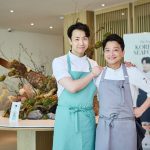
One place where they have made a name for themselves in this regard is the Park Hyatt Kuala Lumpur, where Executive Pastry Chef Holger Deh and Aaron Chun Meng Lee, the mixologist at Cacao Mixology & Chocolate, not only pay Malaysian chocolate its due appreciation, but take a considered approach to letting it express itself.
“For me, the fascination is in the differences,” Chef Holger shares. “We work with around 20 Malaysian chocolates, and each suggests something of its own.” It’s not simply a matter of deciding which dessert the chocolate would go well in, but letting the chocolate decide in a way where it ends up and in what ways it can best express itself. “I taste first,” says Chef Holger, “before deciding what to make. There is no reason to impose the same dessert on every chocolate.”

He then gives us an example of this philosophy in action. “The 70% dark chocolate from Kelantan inspired a ganache to accompany a cocktail at Cacao. Something classic and comforting felt right for that particular chocolate. Others lend themselves to a mousse, a sauce, or the contrast of a crisp shell.”
And for Chef Holger, that attention to the individual characteristics of each chocolate is only part of the appeal. There is also the story behind it, from the farmer who grows it to the place it comes from and the way it has been handled. “Then there is everything behind the taste: the grower, the place, the way the cacao has been handled and roasted.
“Understanding that gives you a much fuller appreciation of the ingredient. I hope a guest enjoys the dessert, certainly, but also leaves knowing a little more about what Malaysia produces. There is a remarkable variety here.”
Aaron has a similar approach to unravelling the facets of the chocolate he’s working with. “Cacao becomes particularly interesting in a cocktail once you look beyond sweetness. Depending on its origin, you find fruit, nuttiness, earthy notes, sometimes something floral. Each gives you a different starting point.”
And it’s not just variations in cacao that lend themselves to such a diverse palette of characteristics for us to enjoy, but even the specific parts of it that can show something different, and Aaron gives us some insight into just how. “We use cacao husk in our welcome drink for its natural bitterness and earthy character. With nibs, we explore aroma and texture. Those parts of the ingredient deserve attention in their own right,” he says.

And for those looking to see how nuanced Malaysian chocolate can be when its most minute specificities are allowed to shine, Aaron invites you to drop by for something special that they have in the works. “Our upcoming interpretation of the Penicillin brings together Semai chocolate from Pahang and cacao caviar. As the pearls burst, they add texture and release cacao aroma, changing how you experience the drink.”
That willingness to let the cacao itself dictate where the pairing goes is, ultimately, what makes working with Malaysian chocolate so interesting. As Aaron puts it: “For me, a successful pairing allows you to appreciate both the cacao and the other ingredients more clearly. That is the pleasure of working with it: there is still so much to discover, even in an ingredient people feel they already know.”
It’s safe to say the local cacao industry is undergoing a promising period of development right now, underpinned by a growing contingent of local chocolate makers working tirelessly to give these beans more of a platform. From single-origin bars made with cacao from Pahang and Melaka to producers working directly with local farmers, the idea has evolved from simply making chocolate in Malaysia to making chocolate that tastes unmistakably like it came from Malaysia.
Some producers are even taking cues from winemakers, treating individual farms and regions in much the same way wine producers treat vineyards, where the differences between origins become part of the appeal.
There is still a long way to go, of course. Malaysia isn’t going to suddenly become synonymous with fine chocolate overnight, and the local craft scene is still relatively small compared with the established chocolate industries of Europe and the Americas. But there is something genuinely interesting happening here.
We have farmers growing cacao in different corners of the country, communities finding ways to incorporate it into wider agricultural systems, and chocolate makers taking the time to understand what these beans can actually do. The result is a collection of chocolates that run the gamut of flavours from fruity, earthy, nutty, floral, mineral, or spicy, depending on where the beans come from and how they are treated. For now, Malaysian cacao might still be something of a secret. But with the way things are shaping up, it probably won’t stay that way forever.
All images: Park Hyatt Kuala Lumpur