Now Reading: The Stories Modesto Marini Never Served
-
01
The Stories Modesto Marini Never Served
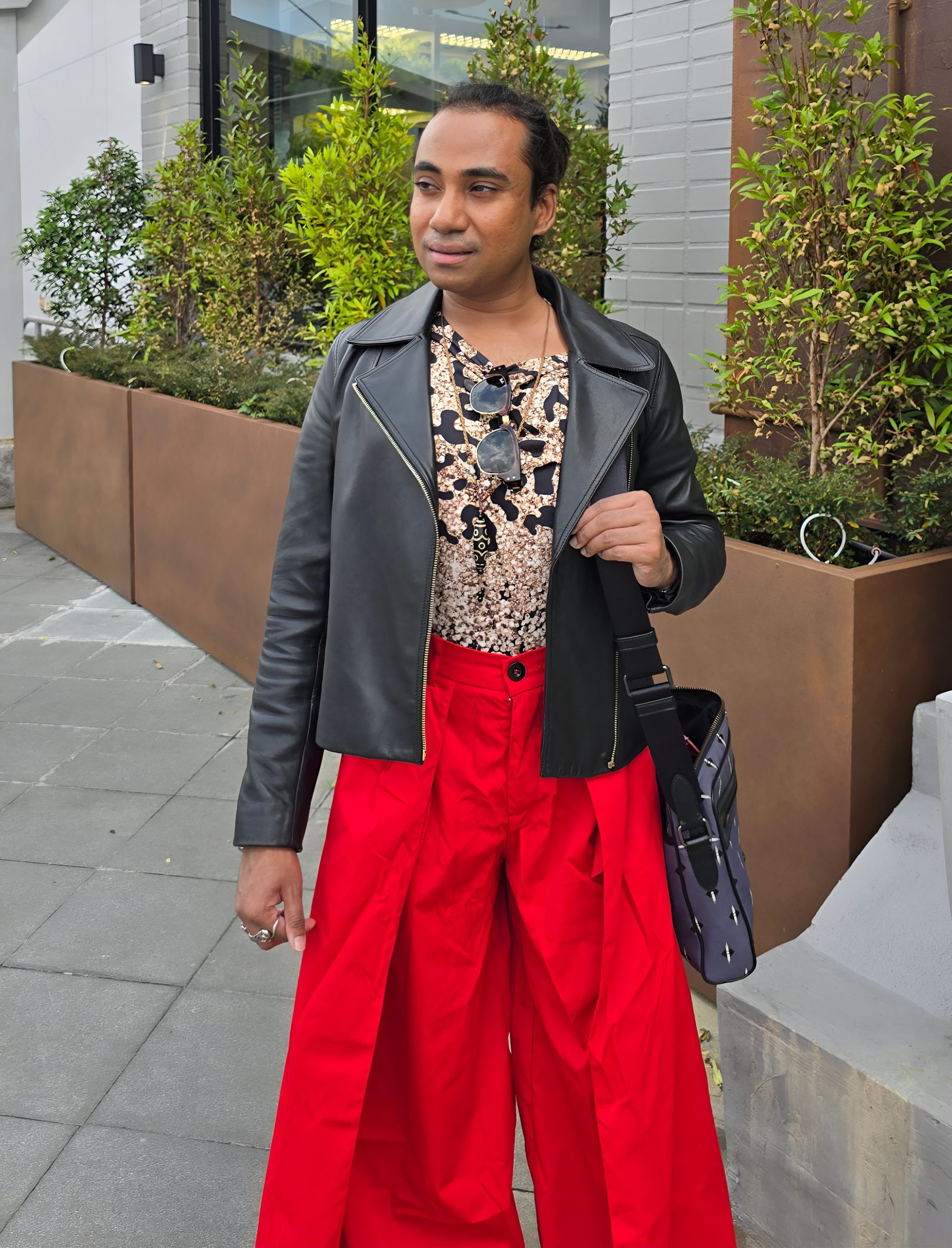

Behind the polished plates and restaurant empire, Modesto Marini opens up about the memories, struggles, passions, and personal stories rarely seen beyond the dining room.
As KL diners, most of us already know The Marini’s Group by appetite alone. There’s Marini’s on 57, Mesa on 51, Marble 8, M Marini Grand Caffè & Terrazza, MariGin, and the newly opened Müro keeping the city awake long after dinner ends.
For years, we’ve shown up for the pastas, lingered over tapas, and stretched ‘just one drink’ well into the night. But behind every packed dining room and champagne-fuelled evening is the man who built it all from the ground up: Cavaliere Modesto Marini. Restaurateur, chef, and one of KL’s most recognisable hospitality figures, Marini rarely pulls back the curtain on the life behind the empire. This time, however, he does exactly that. From his earliest beginnings to building one of the city’s most influential dining groups, he reflects on the risks, ambition, and instincts that shaped his journey. Thankfully, Palate gets a seat at the table first.
1. What first drew you into hospitality?
I grew up in a home where food was never just about eating, but connection. My family grew our own ingredients, my parents cooked together, and every meal felt warm, intentional, and full of care. Dining and family gatherings weren’t rushed; they were moments to come together, to share, and to feel at home.
So when the time came for me to choose my path, it felt natural. I realised I wanted to recreate that same feeling for others. What I experienced growing up–the love, the attention to detail, the sense of being looked after–became the foundation of how I approach hospitality today.
In all my outlets, I try to translate those early memories into every guest experience. It’s not just about good food or good service, but about making people feel genuinely welcomed and cared for. Just like I did at my family table.

2. What were the early lessons that shaped your approach to hospitality?
My foundation in hospitality was shaped by very simple but meaningful beginnings. Those early moments taught me that hospitality isn’t just about what’s on the table but how people feel around it.
As I moved through my career, each and every experience played a role in shaping my belief system. Nothing came easy, and there were plenty of challenges along the way. But being in the right place at the right time, and just as importantly, meeting the right people, made a crucial difference in opening doors and shaping my perspective.
Over time, my approach to hospitality has evolved significantly. It’s very different from how I saw things 20 years ago. Back then, it was more about the mechanics – service, operations, execution. Today, it’s much more intuitive and people-driven. I focus on creating meaningful experiences, drawing from everything I’ve learned along the way, to ensure every guest feels the same sense of care, attention, and warmth that first inspired me to enter this industry.
3. When did you realise that restaurants would be more than just a business for you?
I have always had a passion for food and music. Celebrity chefs and the glamour of being a chef were not a thing back then. When I decided to study the culinary arts, I knew what I was getting into and the sacrifices that I would have to make. I knew that there would be long hours and that I would have to work on weekends and during holidays. But I made it a point to learn and to further hone my craft and aspired to move on to bigger and better things when the time was right.
4. When you first started The Marini’s Group, what was the vision you had for KL’s dining scene?
When we first started this culinary journey, it was to share my passion for food and my vision for world-class food venues with the world; to put KL on the global culinary map. The goal was to build a world-class F&B establishment that could rival those in cosmopolitan cities including Singapore, Shanghai, and Bangkok.
5. Your venues are known for pairing gastronomy with dramatic views. How intentional was that from the start?
When I was first shown the space for Marini’s on 57, it was nothing more than cement, dust, and rubble. But I could already see its potential. What stood out immediately was the view. It was unique, powerful, and unlike anything else in the city.
I envisioned a rooftop destination that would create a complete culinary experience. That same instinct and inspiration followed when it came to Mesa on 51. While both venues share that sense of elevation and atmosphere, each has its own identity. Marini’s on 57 offers an incredibly intimate, almost up-close view of the Petronas Twin Towers, which makes the experience feel iconic and immediate. Mesa on 51 gives you a broader perspective of the city, where the Twin Towers sit alongside other architectural landmarks, creating a more expansive and dynamic skyline.
6. What makes a ‘Marini’s experience’ different from simply opening another restaurant?
For me, opening a new venue has never been about simply adding another restaurant to a portfolio – it’s about creating a landmark, something with its own identity and emotional resonance. A “Marini’s experience” is really defined by what I call emotional architecture.
We focus deeply on the details of atmosphere. It starts the moment a guest steps out of the lift—the lighting, the music, the energy in the room, and of course, the view. Every element is carefully considered and calibrated. It’s not just about serving a particular cuisine; it’s about offering a slice of the aspirational lifestyle, where everything feels intentional, effortless, and immersive.
What truly sets it apart is what I would call the “Marini’s Touch.” You see it across all our concepts – from the champagne and caviar café to the dance club and gin bar. It’s a constant commitment to detail and refinement. Whether it’s sourcing a very specific vintage for the cellar or training our team to anticipate a guest’s needs before they even realise it themselves, every touchpoint matters.
Ultimately, we aim to go beyond dining. It’s about creating moments that stay with you—turning an evening into something memorable, something you feel, not just experience.
7. When you open a new concept, what tells you it has the potential to become something iconic?
It’s a gut feeling but what really makes it work is proper planning, passion, commitment and hard work to transform an empty space into an iconic destination that offers a unique dining and sensory experience, with the right views and vibes for that outlet.
8. How have you seen the city grow alongside your restaurants?
A city is a living, breathing entity – it’s constantly evolving, shaped by the people who come and go, and by the changes that naturally happen over time. In many ways, I’ve seen Kuala Lumpur grow in parallel with my own journey in hospitality.
Kuala Lumpur has always had a vibrant energy and a strong sense of character. It’s a city with a deep love for food, and that passion has always created the perfect environment for the dining scene to develop and thrive. Over the years, I’ve watched that scene become more sophisticated, more diverse, and more open to new ideas and experiences.
With changing food trends come changing tastes and expectations. Diners today are more curious, more informed, and more adventurous than ever before. They’re not just looking for a good meal – they’re looking for something memorable, something that engages all the senses.
As the city has grown, we’ve had to grow with it. It’s about staying relevant while still holding on to what defines us – continuing to innovate, refine, and elevate the experience, while responding to the evolving demands of a dynamic city like Kuala Lumpur.
9. What were some risks you took that, in hindsight, defined your career?
One of the defining risks in my career was stepping away from something familiar – something I had spent years building – to pursue something bigger.
It wasn’t easy leaving that sense of security, but I knew growth only comes from pushing beyond comfort. Looking back, that decision shaped my path, challenged me to think bigger, and ultimately led me to create something far more meaningful.
10. What do you think people misunderstand most about running restaurants?
I think people underestimate the amount of hard work that has to be put into it. It takes a lot of hard work, dedication and perseverance to run a restaurant. The work starts from the morning right up till night to ensure that everything runs smoothly so that guests enjoy their experience in the restaurant and leave happy and looking forward to the next visit.
It’s also important to have the right team, partners, location, etc. It’s all about the relationships we build and maintain to keep the business going. It is also important to understand who your customers are, their needs and how to meet their expectations.

11. When guests walk into one of your venues, what feeling do you hope they leave with?
We always want our guests to leave happy and satisfied with the quality of service and food. If they notice the little touches and fine points that helped make an impression during their visit, even better. We have a reputation and we have to work very hard to maintain it.
12. How do you balance the business side of hospitality with creativity and storytelling?
I don’t see them as separate – they’re the same engine. Creativity is our competitive edge, and storytelling is what builds our brand.
The feeling we create – through design, food, and music – is what makes the business sustainable. I encourage my team to think big, but every idea must enhance the guest experience and uphold the Marini’s standard. If it doesn’t, it doesn’t make the cut.
13. What qualities do you look for in the people who help bring your vision to life?
Go-getters, people with creativity, passion and drive – most importantly, they need to have the ability to accept feedback and learn.
14. After all these years, what still excites you about opening a new venue or concept?
What still excites me is the potential of a space – seeing something others might overlook and imagining what it could become. That moment of vision, of turning an empty space into a living, breathing experience, never gets old for me.
15. Looking back, which moment in your journey feels the most meaningful to you personally?
Looking back, the most meaningful moments are the ones where a vision became reality – when something I imagined came to life and truly connected with people. Being the first to introduce wood-fire oven pizzas to Kuala Lumpur is one of those milestones I’m especially proud of – it was about bringing something new and authentic to the city. But beyond that, it’s seeing guests create their own memories in these spaces. Knowing that something we built becomes part of someone’s story – that’s what stays with me the most.
16. What role do you see The Marini’s Group playing in its future as KL continues to grow as a culinary destination?
We see ourselves as both a benchmark and a catalyst. As Kuala Lumpur continues to grow, our role is to keep raising the standard of what luxury hospitality means here. By blending innovation with our group’s philosophy of creating meaningful, immersive experiences, we aim to position KL not just as part of the culinary map, but as a destination that leads it.
17. Is there still a dream project or concept you haven’t yet brought to life?
As long as we continue dreaming, there will always be something in the pipeline.
18. When people think of Modesto Marini years from now, what would you like your legacy in the city’s hospitality scene to be?
I’d like to be remembered as someone who helped put Kuala Lumpur firmly on the global culinary map – not just by opening venues, but by changing the way people experience hospitality in this city. More than anything, I want my legacy to be about setting new standards, pushing boundaries, and training generations of service professionals – leaving behind a benchmark that continues to inspire the industry.
All photos courtesy The Marini’s Group