Now Reading: Dr. Garima Chopra Of Stylingfables On The Art Of Tablescaping
-
01
Dr. Garima Chopra Of Stylingfables On The Art Of Tablescaping
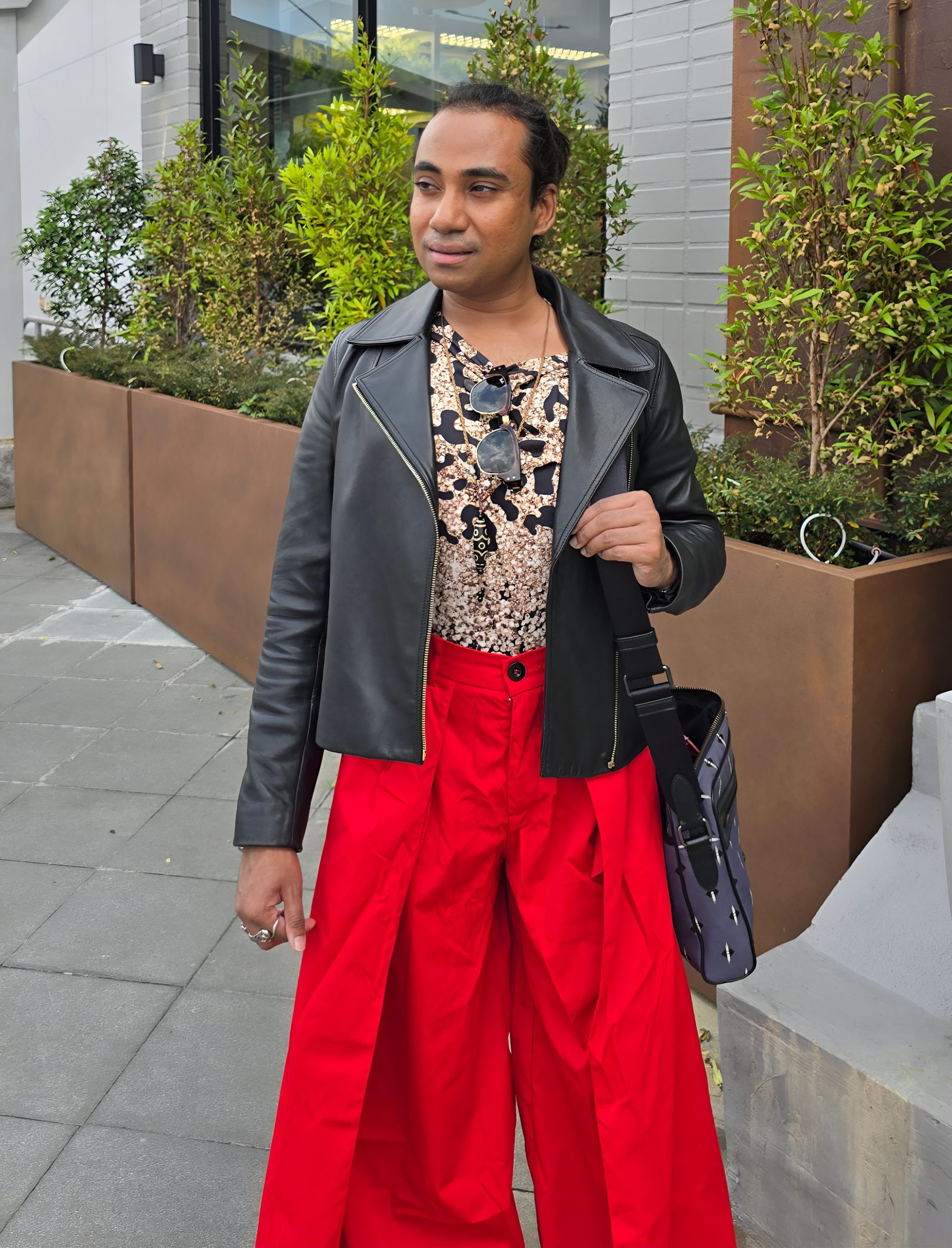

Drawing on a childhood steeped in a love of textiles and a collector’s eye for detail, Garima transforms dining tables into personal expressions of culture.
A tablecloth, a favourite set of crockery, sweet-smelling flowers, and an unexpected decorative flourish; put them together thoughtfully, and an everyday meal can feel like a special occasion. For Dr. Garima Chopra, founder of Stylingfables, this is the quiet magic of tablescaping: turning a dining table into a setting that invites people to linger a little longer.
Her eye for detail was shaped long before Stylingfables came into being. A homoeopathic doctor by profession, Garima moved to KL in 2016, bringing with her a lifelong interest in interiors, art, textiles, and decorative objects. Growing up in a large North Indian family in Mumbai, she was immersed in the rituals of generous hospitality, with her mother frequently hosting family and friends.
“I was involved in helping her from a young age, observing, arranging, and learning the art of entertaining,” she recalls. Her parents’ collection of distinctive crockery and décor, gathered from their travels, offered another kind of education. Visits to arts and crafts exhibitions, handloom fairs, and textile emporiums further sharpened her appreciation for craftsmanship, pattern, and materials. These early experiences would eventually find their way onto her tables.
How it all began

Image: Stylingfables | Instagram
The turning point came during lockdown, when styling her own dining table became a personal ritual. Choosing crockery, layering textiles, and arranging flowers offered a welcome sense of calm, bringing together the objects and interests she had always loved.
“It was the quiet joy of making an ordinary meal feel a little more special,” she says. What began as a simple pleasure gradually grew into Stylingfables, a creative venture built around the idea that a table can be both beautiful and deeply personal.
For Garima, every tablescape begins not with a shopping list or a colour chart, but with a feeling. Before choosing the linens or deciding where the flowers should go, she considers the occasion, the people gathering around the table and the atmosphere she hopes to create. Is it meant to feel intimate, festive, playful, or elegant?
From there, a story begins to take shape. It might emerge from a particular piece of crockery, a work of art, a seasonal reference, a travel memory, or a cultural tradition. One element becomes the anchor, and the rest of the setting develops around it.
“I think the key is balance and restraint,” she says of her approach to composition. “I usually choose a clear colour story and build depth through different textures.”
Materials, measurements, and rules

Metal, glass, rattan, and ceramics bring contrasting surfaces into play, while variations in height add dimension. Yet a tablescape must do more than look good in photographs. Guests should still be able to see one another, pass dishes around, and enjoy their meal without navigating an obstacle course of flowers and ornaments.
“The table should be visually striking but always functional and comfortable,” she says. That balance also comes down to knowing when to stop. Larger decorative pieces need room to breathe, while smaller details lend character without overwhelming the overall composition. Garima enjoys mixing old and new, shifting pieces around and editing the arrangement until everything feels considered rather than overly coordinated.
The same thinking applies to the table’s focal point. Whether it is an arresting floral arrangement, a patterned tablecloth or a distinctive serving piece, the hero element should reflect the theme and occasion. Once it has found its place, the supporting details can take a quieter role.
Different tables, different vision

The shape of the table naturally changes the equation. “Long tables are slightly more challenging because we need to work with a larger surface. You need to create a rhythm, continuity, and a table that is attractive without making it feel overcrowded,” Garima explains. Round tables, meanwhile, invite a more concentrated composition, with a centrepiece that can be appreciated from every angle.
The theme that blew diners’ minds

One of her proudest projects brought these considerations together on a grand scale: an 18-foot-long Chinese New Year and Ramadan table for 40 guests, inspired by the Peranakan culture. The brief called for the heritage of Peranakan design, interpreted through a contemporary vision.
Beyond the practical challenge of styling such an expansive table, the project offered an opportunity to explore a culture different from her own and translate its visual language into a cohesive setting. It was a reminder that tablescaping can be a form of cultural storytelling; one that brings traditions and influences together without losing sight of the people gathered around the table.
Creating unique designs with extraordinary objects

Garima’s creativity also extends to objects that might not ordinarily make it past the dining room door. Vintage brass, rattan baskets, bangles, colourful hair ornaments known as parandis, fruits, vegetables, knitted crochet napkin rings, and decorative curios have all found a place in her arrangements.
“I love bringing unexpected objects into my tablescapes,” she says. “It’s fun and creative to look at an object beyond its intended purpose and let it become part of the story of the table.”
That willingness to experiment reflects a broader shift she sees in table styling. Rather than immaculate, perfectly matched settings, there is growing interest in layered compositions that feel personal and collected. Vintage pieces sit alongside contemporary designs, handmade ceramics introduce texture, and warmer, earthy tones lend a more relaxed intimacy to the table.
Still, Garima is less concerned with chasing the latest look than creating something with lasting meaning. For her, the most compelling tables are not necessarily the most elaborate or expensive, but those that reveal something about the host: a treasured heirloom, a souvenir from a memorable journey, a textile passed down through generations or an object repurposed in an unexpected way.
Looking ahead, she believes personalisation will continue to shape the way people dress their tables. The emphasis is shifting towards making use of what one already owns, bringing together objects from different cultures and periods, and allowing individual histories to inform the setting. “The future is more about telling your own story around the table,” she says.
And perhaps that is where the real art of tablescaping lies. Not in creating a table so perfect that nobody dares touch it, but in setting one that makes people feel welcome, sparks conversation, and gives them a reason to gather. The flowers may eventually wilt, the candles burn down, and the dishes return to the cupboard, but the feeling of having been thoughtfully hosted is what stays.
Five tablescaping themes Garima loves to create
1. Deepawali: A celebration of Indian heritage

“For Deepawali, I would use a neutral base with touches of gold, emerald green, fuchsia pink, maroon, and deep red, layered with traditional block-printed textiles, diyas, candles, and fresh flowers. I like bringing in the bling factor through brass objects, beautiful napkins, marigolds, and traditional motifs.”
2. Autumn: Rustic hues and natural textures

“I like playing with natural hues of warm browns, muted blues, black, rustic orange, and green. I prefer a moodier interpretation, using foraged leaves and dried flowers, adding texture through pumpkins and pinecones. For tableware, I would choose slate grey, olive, or brown to bring out the rustic charm.”
3. Christmas: A nostalgic family gathering

Image: Dragon White Munthe | Unsplash
“For Christmas styling, I like the kind of warmth seen in Nancy Meyers films: understated, nostalgic, and beautifully lived-in. I would work with ivory, forest green, muted red, wood-textured objects, and touches of vintage brass, layered with linen, tartan or checks, vintage crockery, tapered candles, and pinecones”
4. Chinese New Year: A Peranakan fusion

“The beauty of this theme was bringing two cultural celebrations together. A fusion of Chinese New Year festivities with Peranakan colours and patterns, including Malaysian batik, paired with white crockery to balance the vibrant textiles, made the table feel culturally rooted and expressive of its heritage.”
5. Holi: A playful riot of colours

“Rather than using the traditional coloured powders called ‘gulal’, I translated the theme through flower petals, bangles, parandis, and Indian textiles. I used a rich, solid-colour tablecloth with rattan baskets, flowers, loose petals, and a puppet of Radha and Krishna to tie the table together.”
Opening image: Caio Mantovani | Pexels
Other images: @stylingfables