Now Reading: Five Reasons Hanwoo Beef Is More Expensive Than Wagyu
-
01
Five Reasons Hanwoo Beef Is More Expensive Than Wagyu


Hanwoo beef is often called Korea’s crown jewel of dining, prized even more than Japan’s famous Wagyu. From its rarity to its cultural significance, here are five reasons why this homegrown delicacy commands a higher price — and why it’s worth every bite.
When it comes to luxury beef, Wagyu usually steals the spotlight. Revered worldwide for its marbling and melt-in-your-mouth texture, Wagyu is the word that comes to mind when diners picture indulgent steaks and sizzling yakiniku. But in Korea, another prized cattle quietly sits on the throne: Hanwoo beef.
Hanwoo is often considered Korea’s culinary crown jewel, commanding prices that can surpass Wagyu — yes, even the highly coveted Japanese A5 cuts. But what exactly makes this Korean native breed more expensive than its Japanese rival? The answer lies in heritage, rarity, and the cultural pride that surrounds every cut.
Here are five reasons Hanwoo beef can cost more than Wagyu, and why it deserves a place in your food vocabulary.
1. Rarity and exclusivity

Hanwoo cattle are unique to Korea and fiercely protected as a national treasure. Unlike Wagyu, which is exported widely across the globe (with licensed breeding programs even outside of Japan), Hanwoo is almost entirely consumed domestically. In fact, less than 0.5% of Hanwoo beef makes it to outside Korea.
This exclusivity drives up demand and value. For Koreans, serving Hanwoo isn’t just about dining but a gesture of respect, status, and generosity. You’ll often find Hanwoo on the table during ancestral rites (charye), weddings, and the Lunar New Year. Gifting premium Hanwoo sets is also a common practice, especially during Chuseok (Korean Thanksgiving) and Seollal (Lunar New Year), where prices can skyrocket in response to festive demand.
With such a limited supply and cultural prestige, Hanwoo has become a commodity as much as it is cuisine, and that rarity alone pushes its price tag higher than Wagyu.
2. Breeding and farming practices

Raising Hanwoo cattle is a labour-intensive process that requires patience, skill, and deep respect for tradition. Farmers in Korea typically raise their cattle in smaller herds, often on family-run farms where meticulous care is given to each animal.
While Wagyu cattle are also pampered—sometimes even fed beer or massaged to encourage fat marbling—Hanwoo farming focuses on natural, locally sourced feed like rice straw, barley, and corn. The result is meat that reflects Korea’s terroir, its flavour closely tied to the land and grains of the peninsula.
This artisanal, small-scale farming model inherently drives costs up. Unlike industrial beef production, Hanwoo cattle are not mass-produced, and the government enforces strict traceability programs to ensure quality and authenticity. Every cow is tagged and tracked from birth to plate, adding another layer of assurance and expense to the process.
3. Unique flavour profile

Here’s where food lovers lean in: Hanwoo doesn’t just look different, it tastes different. Wagyu is famed for its heavy marbling and rich, buttery flavour, often described as so decadent it borders on overwhelming. Hanwoo, on the other hand, offers a more balanced experience.
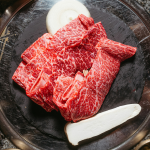
The marbling is delicate but not excessive, allowing the natural beef flavour to shine through with a subtle sweetness and clean finish. Koreans often describe Hanwoo as ‘pure’ or ‘honest’ meat, and it’s intensely beefy without being greasy. It pairs perfectly with Korean barbecue rituals, where the emphasis is on dipping sauces, leafy wraps, and communal sharing.
This distinctive taste—a marriage of tenderness and robust character—is part of what makes Hanwoo so revered. For many, Wagyu can feel indulgent in small doses, but Hanwoo is the beef you can savour bite after bite without palate fatigue. And that kind of experience comes at a premium.
4. Cultural value and national pride

If Wagyu is a Japanese export brand, Hanwoo is a Korean identity marker. It’s woven into the country’s food culture and social rituals, symbolising prosperity, respect, and pride. A meal featuring Hanwoo isn’t just a dinner but a celebration.
This cultural weight directly impacts its price. Koreans are willing to pay more for what they see as a national delicacy, and producers know it. Beyond taste, eating Hanwoo is an expression of supporting local farmers and preserving heritage. That sense of patriotism is something Wagyu, despite its global fame, doesn’t quite carry outside Japan.
It’s also worth noting that Koreans don’t view Hanwoo as just another premium option; they see it as the gold standard. Even in luxury hotels and Michelin-starred restaurants across Seoul, Hanwoo beef is showcased as the pinnacle of the menu. In short, it isn’t just meat. It’s a cultural icon, and people are happy to pay accordingly.
5. Supply, demand, and seasonal spikes

Economics 101 plays a major role here. Hanwoo beef production is limited, demand is high, and prices fluctuate dramatically during peak seasons. Around holidays like Chuseok and Seollal, the cost of premium Hanwoo gift sets can surge by 30–50%.
Compare this with Wagyu, which, thanks to export channels and larger production networks, is relatively more accessible. Even high-grade A5 Wagyu has become easier to source internationally, slightly stabilising its pricing. Hanwoo, on the other hand, remains fiercely local, driving prices up as availability tightens.
The Korean government has even had to intervene occasionally with subsidies and supply programs to ensure affordability for everyday consumers. But for the most sought-after cuts—ribeye, sirloin, tenderloin—scarcity continues to keep Hanwoo firmly in the luxury bracket.
Beyond price: experience over indulgence
At the end of the day, comparing Hanwoo to Wagyu isn’t just about numbers on a menu. It’s about two culinary philosophies. Wagyu delivers a luxurious, marbled indulgence that melts like butter on the tongue. Hanwoo, meanwhile, offers a nuanced, terroir-driven experience that feels lighter, cleaner, and deeply tied to Korean culture.
So why is Hanwoo often more expensive than Wagyu? Because it’s more than beef. It’s heritage, pride, and an edible story of Korea itself. For those lucky enough to taste it, Hanwoo is a reminder that luxury isn’t only about richness but sometimes, it’s about rarity, respect, and flavour that feels like home.
Opening photo: Daniel / Unsplash